
Got a car that no longer runs, costs too much to repair, or has been sitting in the driveway for months? You are not alone. Thousands of local drivers deal with aging vehicles every year and are not sure what to do with them. The good news is selling your junk car is easier than ever and you can often turn it into instant cash the same day.
This complete guide walks you through everything you need to know: how junk car value is determined, required paperwork, how pickup works, and what to expect during the process. Whether your vehicle is totaled, non-running, or simply not worth fixing, this guide will help you make the best decision.
Step 1: Understand What Makes a Car “Junk”
Before you sell, it helps to understand how the auto recycling industry defines a junk or salvage vehicle.
A car is typically considered a junk vehicle if:
- The engine or transmission has failed
- Repair costs exceed the value of the vehicle
- It no longer runs or is unsafe to drive
- It’s been severely damaged in an accident
- It’s old enough that parts are no longer economical to replace
- It has been sitting unused for months or years
Even if your car looks bad or won’t start, it still has value in scrap metal and reusable parts.
Step 2: How Junk Car Value Is Determined
One of the most common questions people ask is:
“How much can I get for my junk car?”
Several factors affect the price:
- Year, Make & Model: Popular vehicles with strong parts demand or higher scrap weight typically bring better offers.
- Whether It Still Has Key Components: Missing major parts (engine, catalytic converter, battery) can reduce the price.
- Current Scrap Metal Prices: Recyclers pay based on weight and metal market pricing fluctuates.
- Drivable vs Non-Running: Running cars often bring a higher payout because parts are easier to test and resell.
- Your Location: Local regulations, towing distance, and recycling demand can play a role.
A reputable buyer will provide a no-obligation quote based on your vehicle’s actual condition — not a generic estimate.
Step 3: Gather the Required Documents
Every state has its own requirements, but in Ohio you will typically need:
✔ Your Vehicle Title
This is the preferred document for transferring ownership.
✔ Valid Identification
Driver’s license or state-issued ID.
What if you do not have the title?
Some states allow junk vehicles to be sold with alternate documentation. As of this post, In Ohio you can not legally junk a whole vehicle without a title. A legitimate recycling business can guide you through the process or advise whether a duplicate title is needed.
Step 4: Schedule Your Free Towing or Drop-Off
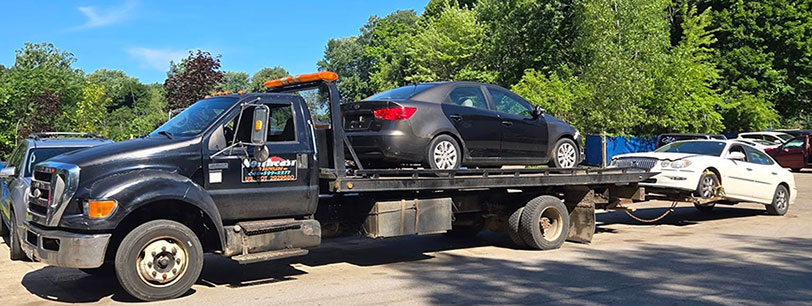
Most reputable auto recyclers offer free towing, especially for non-running cars. Here’s how the pickup process usually works:
- You contact the recycler with your vehicle info.
- They make you an offer.
- You accept the offer and choose a pickup time.
- A tow truck arrives, verifies ownership, and handles the paperwork.
- You get paid on the spot.
For drop-off customers, many recyclers provide faster processing and sometimes slightly higher payouts since towing isn’t required.
Step 5: Receive Payment
- Cash
- Check
- Direct deposit
- Electronic payment (less common but growing)
Reputable buyers pay immediately at pickup — never days later. At Northeast Auto Recyclers, we pay CASH for CARS on the spot!
Step 6: Know What Happens to Your Vehicle After the Sale
- Safe Fluid Removal: Oil, coolant, fuel, brake fluid, and refrigerants are drained and recycled.
- Part Inspection & Recovery: Usable parts like tires and battery are removed, tested, and sold to local mechanics and DIY drivers.
- Metal Recycling: Your vehicle is crushed and/or shredded and turned into new steel — reducing the need for mining.
By choosing a licensed recycler, you help reduce landfill waste and support the local economy.
Common Mistakes to Avoid
Many sellers unknowingly lose money or run into problems. Avoid these pitfalls:
- Working with unlicensed buyers
- Forgetting to remove personal items
- Not transferring or canceling insurance
- Not notifying the BMV after the sale (required in most states)
A trustworthy recycling business will walk you through these steps.
How to Choose the Right Local Junk Car Buyer
To protect yourself and get the best price, look for a company that:
✔ Is licensed and insured
✔ Offers free towing
✔ Gives guaranteed quotes
✔ Has a local facility
✔ Has positive customer reviews
✔ Pays on the spot
The right buyer makes the process quick, safe, and stress-free.
Final Thoughts: Selling Your Junk Car Is Easier Than You Think
Selling a junk car doesn’t have to be complicated. Whether it’s sitting in your driveway, stuck in the garage, or taking up space at a repair shop, the right recycling partner can turn it into fast cash.